
Reviewed · LA ROMANA TOURS
San Pedro De Macoris: Ron Barcerló Rum Factory Tour
Ron Barceló’s factory tour takes you behind the bottle, into aging cellars, a barrel workshop and production areas where rum moves through its daily process. The visit ends with a tasting, so you can connect the smells and machinery of production with what’s in your glass.
I like two things in particular: the tour pairs the working factory with the Historic Center Barceló, and the tasting gives you a chance to compare the rum rather than just hear about it. The main catch is practical: the factory is remote, transportation is not included, and one visitor found it hard to locate without Google Maps.
- Watch the process up close: The route can include barrel preparation, aging, tank filling, bottling and packaging.
- Taste after seeing the work: The included tasting may feature Añejo and/or Imperial, depending on the option you book.
- Visit a purpose-built rum museum: The Historic Center covers the history of rum and Barceló’s role in its production.
- Ask for the Imperial option: It offers a 90-minute visit with a private guide and a tasting in the aging cellar.
- Plan for stairs and transport: Closed-toe shoes are required, and the tour includes a 25-step staircase. Arrange your own ride to and from the site.
From sugar cane to a finished bottle
Rum can seem like a simple souvenir until you see the stages behind it. At the Ron Barceló factory, the visit traces how Dominican sugar cane becomes rum, with stops that show the work of aging, barrel preparation and bottling. The point is not only to watch equipment move. It is to understand how time, wood and production choices affect the drink you taste at the end.
The tour lasts about one hour to 90 minutes, depending on the option and how the visit runs. You’ll have a live guide, with tours offered in English, French, Spanish, German and Italian. The factory’s daily operations are part of the appeal, but production areas can vary in activity. One visitor found the bottling plant closed during a holiday-period visit, so it is wise to treat a working line as a possibility, not a guarantee.
This is a company visit as well as a rum lesson. You’ll hear about Barceló’s history and see its production process from the inside, then finish at the visitor center. If you want a quick activity that gives context to a bottle you might buy, this fits neatly. If you expect a long agricultural tour through sugar-cane fields, the experience described here focuses on the factory and its exhibits instead.
The aging cellar and evaporation
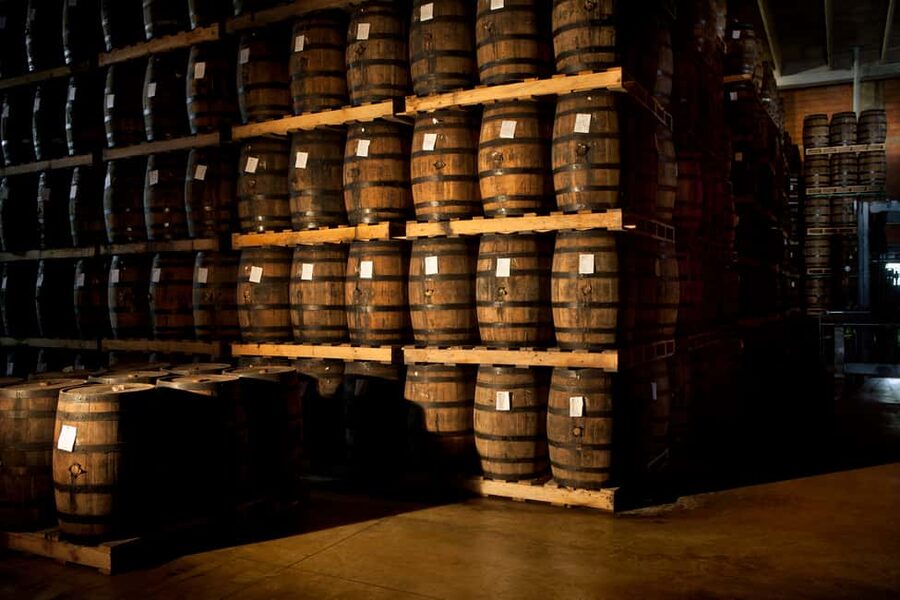
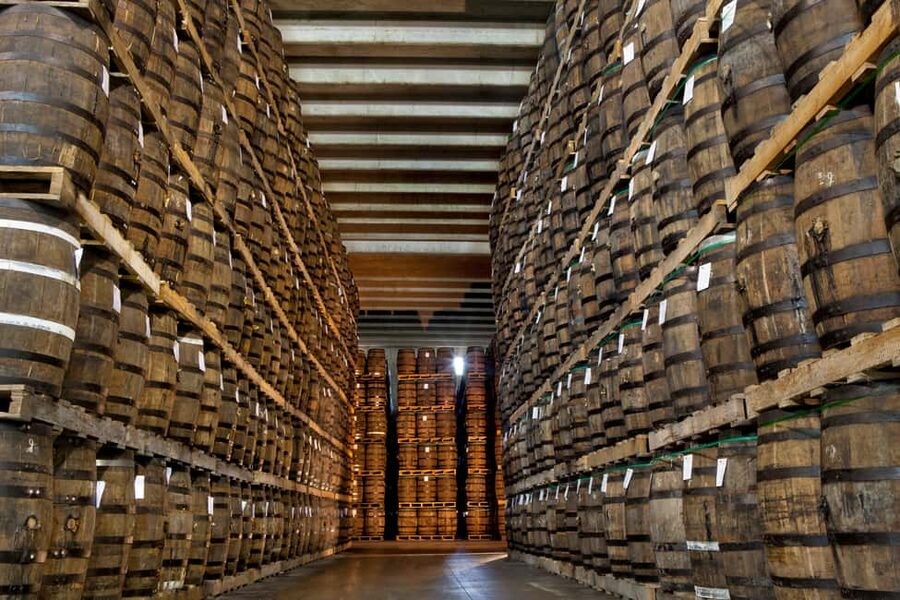
One of the most memorable stops is the aging cellar, where barrels hold rum as it matures. The tour explains the evaporation process, the gradual loss of liquid from the barrels as the rum ages. It’s a useful detail because it gives the cellar its own logic: aging is not just storage, but a process that changes the product and reduces how much remains to bottle.
The barrels make the scale of production visible. You can see the storage setting and get a sense of the time involved before rum is ready for sale. The specific rooms and sequence may vary with the tour, but the cellar is central to understanding why aged rum differs from a spirit that moves straight through production.
The Imperial option makes this stop more than a viewing point. It includes a private tasting inside the aging cellar, led by a guide who explains how to appreciate the rum. That can be a good fit if the tasting itself is your main reason for coming. The standard visit also includes a tasting, so compare the options before paying extra: the premium choice adds a distinct setting and a more focused tasting experience, rather than simply access to the factory.
More trips and days out around La Romana:
- Saona Island small group and relax – luxury catamaran
★ 5.0 · 605 reviews - Bayahibe Tour Buggy Adventure In Rivers, Caves And Beaches
★ 4.0 · 253 reviews - Catalina Island – Snorkeling tour on a luxury catamaran
★ 5.0 · 151 reviews
Barrels made ready for aging
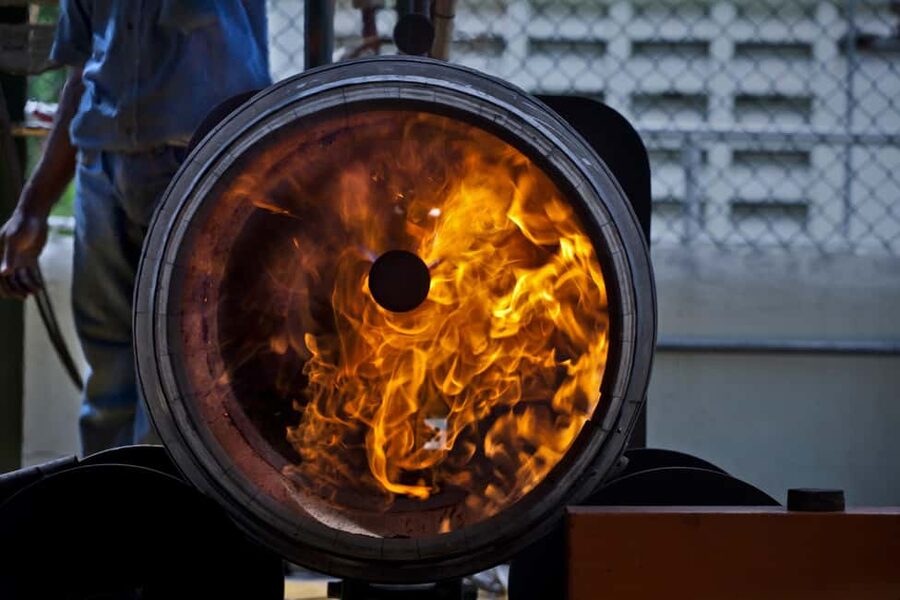
The barrel workshop shows another piece of the process that is easy to overlook when you see only a finished bottle. Barrels are prepared by scraping and burning before they are used for aging. Watching that preparation helps explain why the wood is part of the rum’s character, not just a container.
You may not spend long in the workshop, but it gives the tour a practical, hands-on feel. Visitors have also seen the barrel-making process alongside the storage warehouse, tank filling operation and bottling area. The factory route is not limited to a tasting room or a short brand film; it takes you through several stages of production.
The pace should suit most visitors who want a concise introduction. Still, if you’re especially interested in how barrels are built or treated, ask your guide questions while you’re there. Guides such as Juan Carlos, Leonardo and Luis have led tours, and the experience is designed for questions as well as a walk through the facilities.
Bottling, packaging and the working factory
The bottling and packaging areas show how the rum moves toward its final form. When the plant is running, this is the point where the earlier stages connect to what you see on store shelves. Tank filling and bottling are also part of the route described by visitors, though the precise activity depends on what is operating at the time.
That uncertainty is worth keeping in mind. A factory tour is tied to a real production site, so the line may not be active every day or at every visit. A closed bottling area does not remove the cellar, barrel workshop, museum or tasting, but it can change the feel of the visit if machinery in action was your main expectation.
I’d go for the broader story rather than treat this as a guaranteed live bottling demonstration. You’ll still get a look at the company’s processes and a clearer idea of how production is organized. If seeing an active line matters most, ask about current operations before you set out, if you can.
The Historic Center Barceló museum
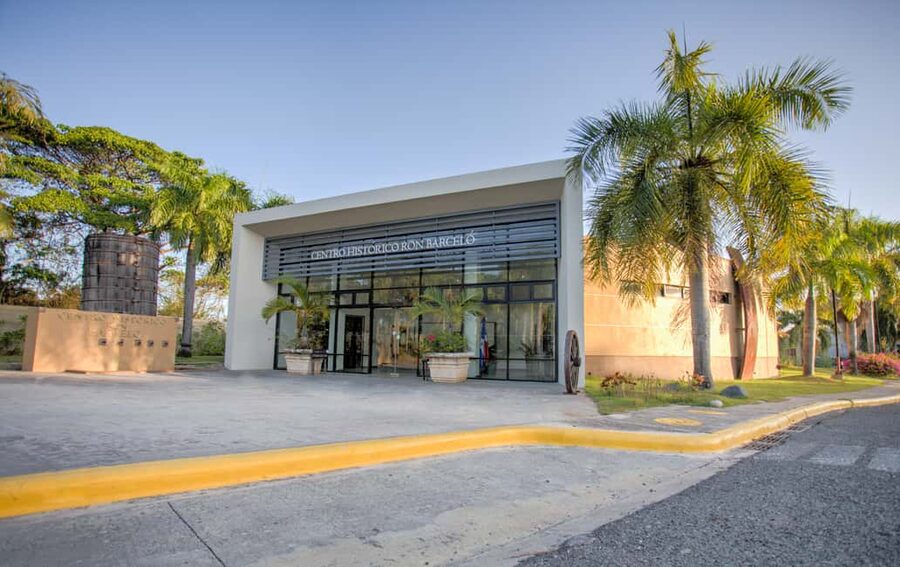
The factory visit ends at the visitor center, which includes the Historic Center Barceló, a museum about rum and the company’s history. A video adds background to the walk through the plant. That order works well: first see the physical process, then use the museum to put it in context.
The museum is small, but it helps round out the visit. The factory shows what happens; the exhibits and video explain the history behind it. If you’re traveling with someone who is more interested in culture and company history than in production equipment, this gives the tour another reason to go beyond a tasting.
There is also a gift shop with Barceló products and merchandise. One visitor who bought rum there found the prices lower than elsewhere, which makes the shop worth checking if you already planned to take a bottle home. Prices can change, so I would compare rather than assume every item is a bargain. You can also buy additional samples, according to one account of the visit, if you want to taste more than what is included.
Same island, a different kind of day:
- From Punta Cana or Bayahibe: Catalina Island with Snorkeling
★ 3.7 · 144 reviews - Saona Island Tour with Lunch and Pickup
★ 3.5 · 111 reviews - Private Transfer 1 way Punta Cana Airport and Bayahibe, La Romana
★ 4.5 · 110 reviews - Saona Island Excursion from Bayahibe
★ 4.0 · 103 reviews
The tasting: Añejo, Imperial and the details
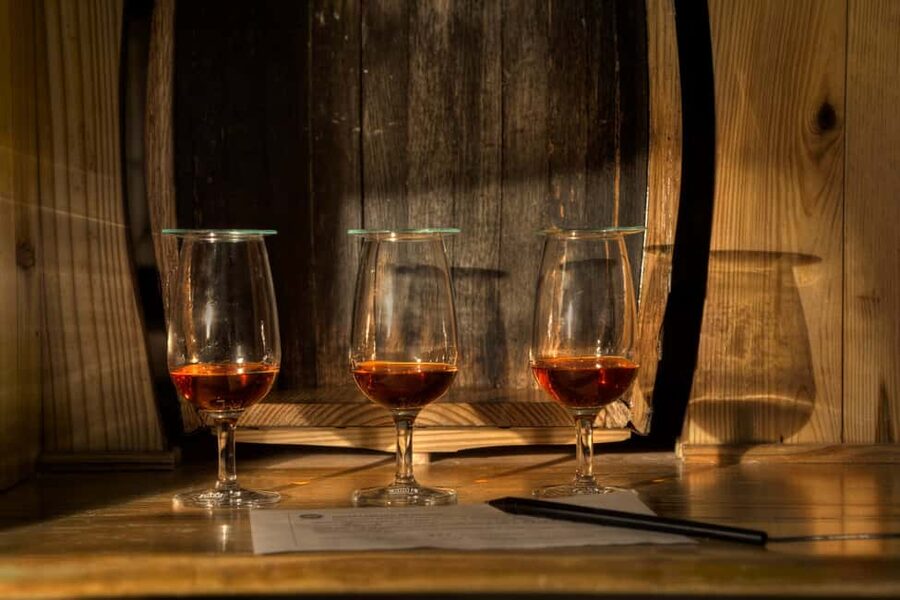
Tasting is the payoff, but it is also a chance to notice what the factory stops have been explaining. The included tasting is listed as Añejo and Imperial, while the tour’s tasting description says you may try Añejo and/or Imperial. The exact selection can depend on the option you choose, so check the details of your booking rather than assume every tour includes both.
Some visitors have tasted three different rums, and one described the tasting as the close of a tour that included the warehouse, barrel process, bottling operation and museum. That gives you a sense of what may be offered, but it is not a promise of the same number or selection every time.
With the Imperial option, the tasting takes place in the aging cellar and has a private guide. That setting can make the premium rum feel more connected to its production. If you’re mainly curious about the brand and want to try rum without making the tasting the center of the outing, the standard option may be enough. Either way, take the guide’s explanation as an opportunity to ask how to assess aroma and flavor, rather than simply taking a quick sip and moving on.
Is $20 good value?
At $20 per person, the tour offers more than a tasting at a bar. You get a guided walk through production areas, a look at the aging cellar and barrel preparation, entry to the Historic Center, and a tasting. For a short visit, that’s a reasonable package if you’re interested in rum or want an activity that gives a sense of local industry.
The value depends on what you want from the outing. A rum fan will likely appreciate the production details and chance to compare samples. A visitor who only wants a drink may find a factory visit more structured than necessary. The Imperial option is longer, at about 90 minutes, and adds a private tasting in the cellar, so it makes more sense if that extra focus matters to you.
Food and transportation are not included. Keep that in mind when weighing the total cost, especially because the factory is outside the center of San Pedro de Macorís. One visitor described the site as remote and needed help arranging a ride back. Another found the location difficult to identify, with little signage, and advised using Google Maps. Save the meeting-point coordinates before you go and plan your return trip in advance.
Shoes, stairs and getting there
The meeting point is Ron Barceló, San Pedro de Macorís 21000, Dominican Republic. Since transportation to and from the Centro Histórico Barceló is not included, you’ll need to arrange your own way there and back. If you’re traveling independently, don’t count on finding a ride only after the tour ends. One visitor’s experience suggests it is better to settle the return plan before arrival.
Bring a passport or ID card, and wear closed-toe shoes. Sandals, flip-flops and high heels are not allowed, and the visit includes a 25-step staircase. Weapons and sharp objects are also prohibited. The staircase is a small but important detail if anyone in your party has trouble with steps.
Small groups are available, and the guide languages include English, French, Spanish, German and Italian. The activity offers free cancellation up to 24 hours in advance, and a reserve-now, pay-later choice is available. Starting times vary, so check availability for your date.
Who should book this tour?
Book it if you’re curious about how rum is made, want a short factory visit with a tasting, or are looking for an outing beyond beaches and resort activities. The mix of production areas, company history and sampling keeps the experience varied, and the multiple guide languages make it practical for many visitors.
It is also a good choice if you want to buy Barceló rum at the source. The shop may offer worthwhile prices, but don’t make that the sole reason to go: transportation and the time needed to reach the factory count too. If you’re not interested in rum or production, the tour may feel overly specific.
I’d choose the Imperial option if you want a longer tasting in the aging cellar with a private guide. For a straightforward introduction, the standard visit gives you the key stages, museum and sample without turning the whole outing into a premium tasting. Either way, confirm your transport, bring ID and wear proper shoes. That bit of planning leaves you free to focus on the barrels, the process and the rum in your glass.
FAQ
How long does the Ron Barceló factory tour take?
The tour lasts about one hour to 90 minutes. The Imperial option is a 90-minute tour.
What does the tour include?
It includes a guide, entry to Centro Histórico Ron Barceló and a rum tasting. The listed tasting includes Añejo and Imperial, though the selection may depend on the option you book.
Which languages are available?
Live tours are offered in English, French, Spanish, German and Italian.
Is transportation to the factory included?
No. Transportation to and from Centro Histórico Barceló is not included. Arrange your own transport, including your return trip.
What should I bring?
Bring a passport or ID card, and wear closed-toe shoes.
Are sandals or high heels allowed?
No. Sandals, flip-flops and high-heeled shoes are not allowed.
Are there stairs on the tour?
Yes. You must climb a 25-step staircase.
Can I cancel for a refund?
Yes. You can cancel up to 24 hours in advance for a full refund.
Just added around La Romana
- La Romana: Scuba Diving in Catalina Island★ 3.6 · 3 reviews
- Saona Special Tour: 4 Beaches with Canto from Punta Cana★ 4.9 · 10 reviews
- Saona Island all day with lunch and open bar departing from Punta Cana★ 4.3 · 7 reviews
- Punta Cana: VIP Private Speedboat Escape to Saona Island★ 4.4 · 3 reviews
- Punta Cana: Three Treasures of Saona – Palmilla, Pueblo & Canto de la playa★ 4.2 · 10 reviews
- Punta Cana: Island escape to catalina • snorkeling & lunch★ 3.5 · 4 reviews
- Punta Cana: Dive the Coral Paradise of Catalina Island★ 4.2 · 5 reviews
- La Romana: Catalina Island for Mein Schiff Cruise Passengers★ 5.0 · 3 reviews
La Romana Tours, compared side by side.
Saona Island small group and relax – luxury catamaran
Read our review →
Bayahibe Tour Buggy Adventure In Rivers, Caves And Beaches
Read our review →
Catalina Island – Snorkeling tour on a luxury catamaran
Read our review →
From Punta Cana or Bayahibe: Catalina Island with Snorkeling
Read our review →


Half-Day ATV or Buggy 4X4 from Bayahibe – La Romana
Read our review →
Lists this tour is part of