
Reviewed · DOMINICAN REPUBLIC COFFEE TOURS
Monte Alto Factory Coffee Tour: Jarabacoa Experience
Coffee has a satisfying way of making a complicated process feel simple: you see the plants, follow the beans through the factory, then taste the finished cup. I like that Café Monte Alto’s tour connects the plantation to the processing work, and that the tasting gives you a chance to enjoy the result in Jarabacoa’s mountain setting.
I also like the one-hour format and the $20 price, which make this a manageable stop rather than a full-day commitment. The main consideration is that the processing area can get warm from the roasting, so wear comfortable clothes and expect a practical factory visit, not a long, leisurely plantation walk.
Key points before you go
- A clear bean-to-cup route: The tour covers the plantation and the factory, then ends with a coffee tasting.
- A short visit with substance: At about one hour, it fits well into a day in Jarabacoa without taking over your schedule.
- A guide who can engage children: Melvin has led a group with children of different ages, keeping them involved while explaining how coffee is made.
- A warm processing room: Roasting can make the inside of the facility hot, so light, comfortable clothing is a sensible choice.
- A taste of local coffee: The final cup lets you connect the growing and processing details with the flavor in front of you.
- Coffee purchases cost extra: Bags and souvenirs are not included in the $20 tour price.
From Jarabacoa’s coffee plants to your cup
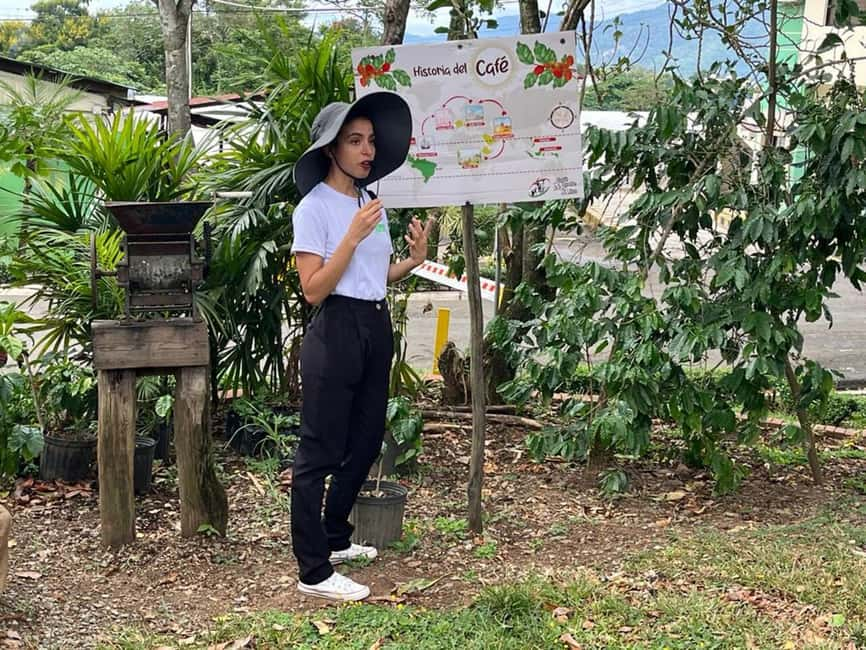
The appeal here is seeing coffee as a sequence of skilled steps, rather than as a bag on a shop shelf. At Café Monte Alto, the guided route begins with an introduction to the company, coffee production in the Dominican Republic, and the qualities the producer values in its coffee.
You then get an overview of the plantation and its sustainable practices. This is useful context: the tour is not only about machines and roasting, but also about how the coffee is grown and handled before it reaches the factory.
The walk through the plantation gives the experience a sense of place. Jarabacoa is known for its mountain scenery, and the tour’s closing tasting is set against those views. The information provided does not specify the walking distance or terrain, so you should not count on a long hike or assume the route is demanding. Think of it as a guided look at the growing side of coffee production.
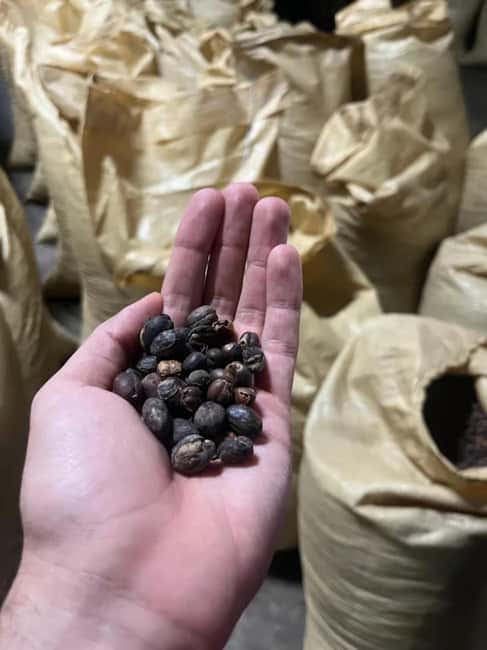
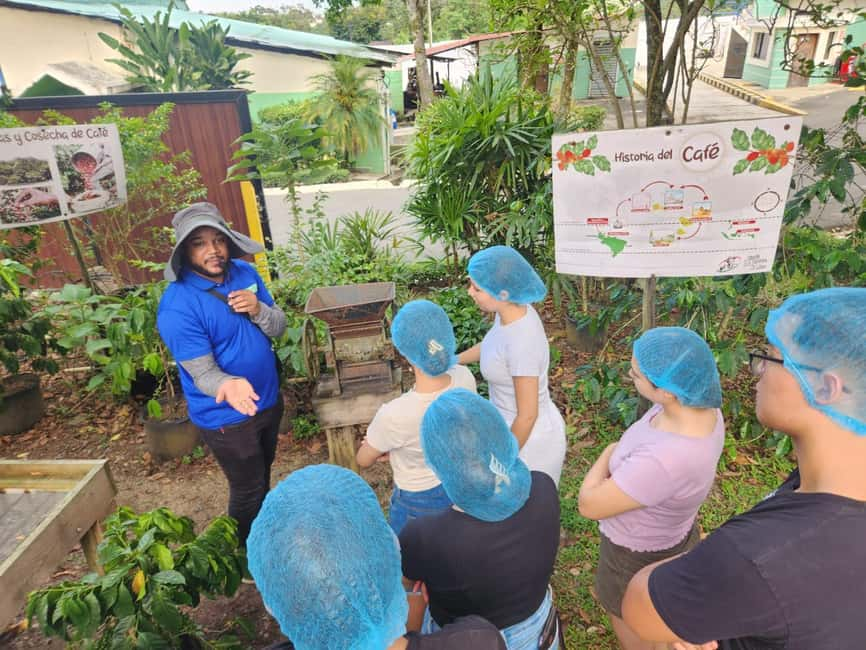
Your guide explains how beans are harvested, sorted, and prepared for processing. Those early stages matter because a finished cup depends on work that begins well before roasting. The tour gives you a basic understanding of the care involved, without requiring you to arrive with any coffee expertise.
That makes the experience accessible to people who simply enjoy a morning cup, as well as to those who already know the difference between a roast and a grind. You can ask questions as you go, and the guide can connect the process to what you see in the fields and factory.
More coffee tours around the Dominican Republic:
- 4×4 Dominican Adventure with Chocolate and Coffee Tasting
★ 5.0 · 2,920 reviews - 4×4 ATV Experience, Water Cave, Chocolate and Coffee Tasting
★ 5.0 · 1,430 reviews - Buggy Adventure Tour with Chocolate and Coffee in Punta Cana
★ 5.0 · 953 reviews
In the plantation and processing area
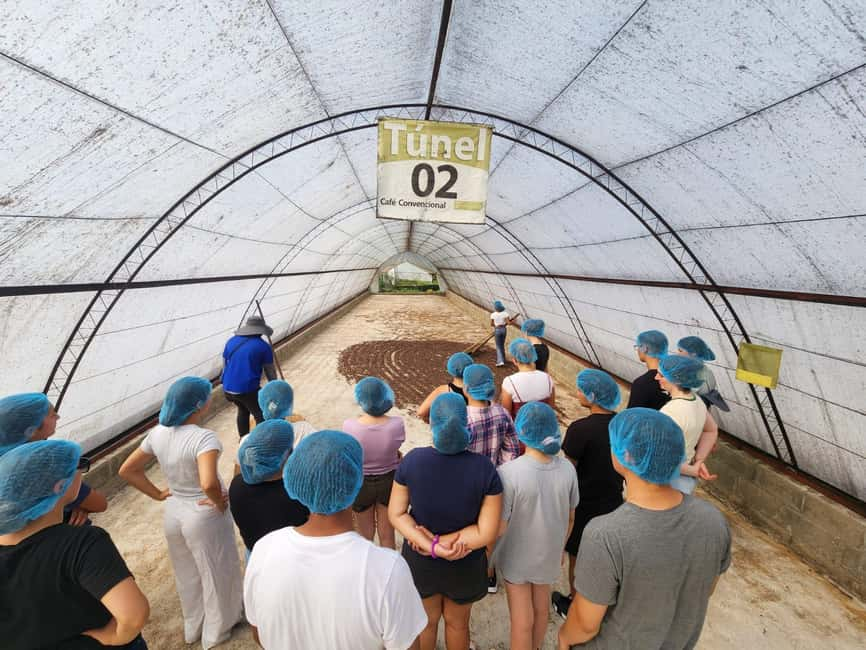
After the outdoor portion, the route moves inside to the processing area. Here, you see coffee change from raw beans into the finished product, with roasting, grinding, and packaging among the stages covered.
This is the most hands-on-in-the-sense-of-observation part of the visit: you are shown the production space and introduced to the techniques used to preserve flavor, aroma, and freshness. It is not described as a workshop where you roast or grind your own coffee, so go expecting explanation and a close look rather than a chance to operate the equipment.
The factory also gives you a practical reason to dress for comfort. The roasting process can warm the room, and a light outfit is more useful than anything you would want to wear for a formal outing. Food and drinks are not allowed, but the coffee tasting takes place at the end of the tour.
One worthwhile feature is the link between the plantation and the processing floor. Seeing both sides helps you understand why coffee production is not just a matter of roasting beans until they smell good. Harvesting, sorting, preparation, and processing all contribute to what ends up in the cup.
The tour description does not give technical details such as the specific processing method, roast profiles, or how long beans are aged. If you are a serious coffee enthusiast, bring questions and see how much the guide can explain on the day. If you are new to the subject, the basic route is likely to be enough to make the process more memorable.
The tasting is the payoff
The tour ends with freshly brewed Dominican coffee, served while you take in the mountain scenery. That final cup turns the factory explanation into something you can actually taste. You have just heard about the stages behind production, and now you can pay attention to the aroma and flavor in a more informed way.
The tasting is included in the $20 price, along with admission and the guided tour. That is good value for a short visit that includes both the plantation and the processing facility, particularly if you are curious about local food and drink traditions.
Coffee bags and souvenirs are not included. If you find a roast you like, you can buy coffee directly from the plantation, but treat that as an optional extra rather than part of the ticket. This can be a practical souvenir: it is connected to the place you visited, and it gives you a way to revisit the tasting after you leave Jarabacoa.
The available information does not specify how many samples are served or whether there are different roasts to compare. Go for the chance to try a fresh local cup, not for a formal tasting flight with detailed flavor notes. You can ask questions during the tasting and use that quieter moment to learn more about the coffee you have just seen being made.
A family-friendly stop, with one caveat
This tour can work well for families. One guide, Melvin, has been especially effective at keeping children of varied ages engaged while sharing details about coffee production. That is a useful sign for parents, because factory explanations can lose a young audience quickly if they become a long lecture.
Still, the tour is best for children who can manage a guided hour and stay with the group. Babies under one year are listed as unsuitable, and people over 95 are also listed as unsuitable. No further explanation is provided, so if either point affects your plans, check directly before booking rather than guessing at the reason.
For adults, the visit suits coffee drinkers, curious eaters, and anyone who wants a local activity beyond the usual sightseeing stops. It is also a good choice if you have only a short window in Jarabacoa. The one-hour length is a strength, though it also means the tour is an introduction rather than an in-depth course in coffee production.
More trips and days out around the Dominican Republic:
- Adventure Bundle: Monkeyland, Ziplines & Buggies Punta Cana
★ 5.0 · 10,715 reviews - Private Airport Punta Cana to La Romana Bayahibe or Casa de Campo Resort Area
★ 5.0 · 6,662 reviews - Punta Cana Zipline Adventure with Buggies and Horseback Riding
★ 5.0 · 5,001 reviews - Full-Day Santo Domingo City Tour from Punta Cana
★ 4.5 · 4,500 reviews
What $20 buys you
At $20 per person, the price covers entrance, a guided tour of Café Monte Alto, an overview of the factory and sustainable practices, a visit to the processing area, and the coffee tasting. You are paying for a compact, hosted look at how local coffee is grown and made, not just for a sample cup.
The value is strongest if you appreciate seeing the production stages in person. A tasting alone would be a much shorter experience; here, the cup comes after a tour that connects cultivation, harvesting, sorting, and factory work. The scenery adds to the setting, though the main draw is the coffee process itself.
It is less compelling if you are not interested in coffee or prefer activities that involve more time outdoors. The plantation stroll is part of the route, but the tour also includes time inside the processing facility, where it may be warm. And because the visit lasts one hour, do not expect a broad tour of Jarabacoa or an extended walk through the countryside.
The tour is operated by Offbeat Education SRL. Guides speak English and Spanish, which makes it practical for visitors who want the explanations in either language. Starting times depend on availability, so check the options that fit your schedule.
Free cancellation is available up to 24 hours in advance for a full refund, and you can reserve now and pay later. Those terms are helpful if your plans are still taking shape, but the key decision is simpler: do you want a short, guided introduction to Dominican coffee, with a tasting at the end?
Booking advice for Café Monte Alto
I would book this tour if you want to understand the journey from plant to cup and have an hour to spare in Jarabacoa. The combination of plantation, processing area, and tasting gives you a more complete picture than a quick coffee stop, and the price includes the main parts of the visit.
It is an especially sensible pick for families with older babies and children who can follow a guide, or for anyone who enjoys learning how everyday products are made. Melvin’s ability to keep children involved is a plus if he is leading your tour, though guides may vary.
You might skip it if you want an outdoor excursion with lots of walking, a detailed technical course, or a long tasting session. For a friendly, compact introduction to Dominican coffee, though, Café Monte Alto offers a clear route through the process and a good reason to slow down for one carefully made cup.
FAQ
How long is the Café Monte Alto tour?
The guided tour lasts about one hour.
How much does the tour cost?
The price is $20 per person. Entrance, the guided tour, a visit to the processing area, and the coffee tasting are included.
What languages are available?
The live tour guide speaks English and Spanish.
Is coffee included in the tour?
Yes. A freshly brewed coffee tasting at the end of the tour is included. Coffee bags and other souvenirs are not included.
What should I wear?
Wear comfortable clothes. The inside of the facility can be warm because of the roasting process.
Can I cancel or book without paying today?
You can cancel up to 24 hours in advance for a full refund. A reserve-now, pay-later option is also available.
Just added around the Dominican Republic
- Private Transfer from Santo Domingo Airport to Punta Cana★ 4.0 · 14 reviews
- Private Transfer from Punta Cana Airport to or from Punta Cana and Bavaro Hotels★ 4.0 · 5 reviews
- Punta Cana Private Transfer Ariport VIP Service★ 5.0 · 42 reviews
- Private Transfer from Santo Domingo Airport to Bayahibe★ 5.0 · 4 reviews
- A way for Hotels in the Bavaro area★ 4.5 · 9 reviews
- Private Transfer from Punta Cana Airport to Punta Cana and Bavaro★ 3.5 · 5 reviews
- Private Transfer, shuttles from Punta Cana Airport to or from Uvero Alto Hotels★ 5.0 · 3 reviews
- Round Trip Airport Transfers/ Punta Cana/ Bavaro★ 4.0 · 5 reviews
Dominican Republic Coffee Tours, compared side by side.
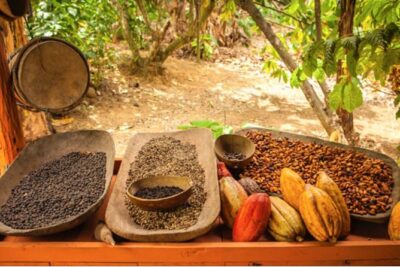
4×4 Dominican Adventure with Chocolate and Coffee Tasting
Read our review →
4×4 ATV Experience, Water Cave, Chocolate and Coffee Tasting
Read our review →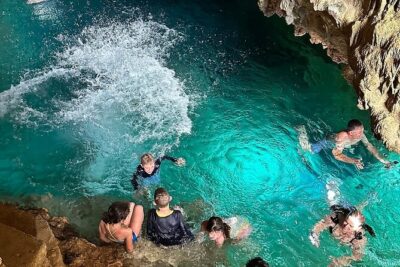
Buggy Adventure Tour with Chocolate and Coffee in Punta Cana
Read our review →
Buggy Ride Into the jungle with cave coffee & chocolate tasting
Read our review →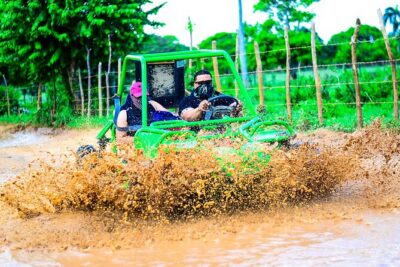
Road Off Half Day Buggy with Chocolate and Coffee Tasting
Read our review →
ATV Adventure w/ Chocolate, Coffee & Cave Swim in Punta Cana
Read our review →
Buggy Adventure to Water Cave and Macoa Beach with Coffee Taste
Read our review →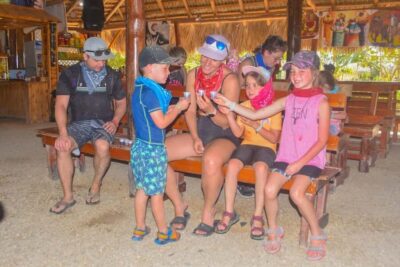
Buggy Tour in Punta Cana: Mamajuana – Coffee – Swimming in Cenote and Macao Beach
Read our review →Lists this tour is part of