
Reviewed · SANTO DOMINGO TOURS
Ron Barcelo Anejo Experience Factory Tour
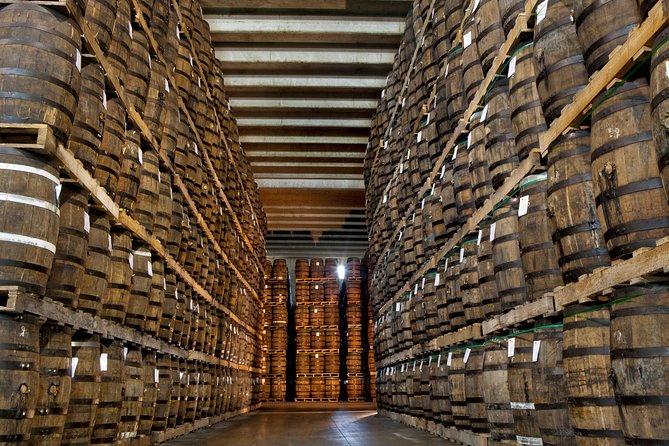
Ron Barceló’s factory tour connects the rum in your glass to the work behind it: sugar-cane history, production, aging and bottling. The visit takes place at Centro Histórico Ron Barceló, outside central Santo Domingo, and finishes with samples of the company’s award-winning rum.
I like two things in particular: the guide-led explanation follows rum from raw material to bottle, so you leave with more context than a tasting alone can offer; and the rum samples put that lesson to practical use. Guides Sergio and Luis have led particularly engaging tours, though the guide on your date may be someone else.
The main consideration is getting there. Transportation is not included, and the factory may feel out of the way if you are staying in central Santo Domingo. Allow for the trip in addition to the roughly 90-minute visit.
Key points before you book
- Sugar cane is part of the story: The tour covers the history of sugar cane and how it connects to Dominican rum.
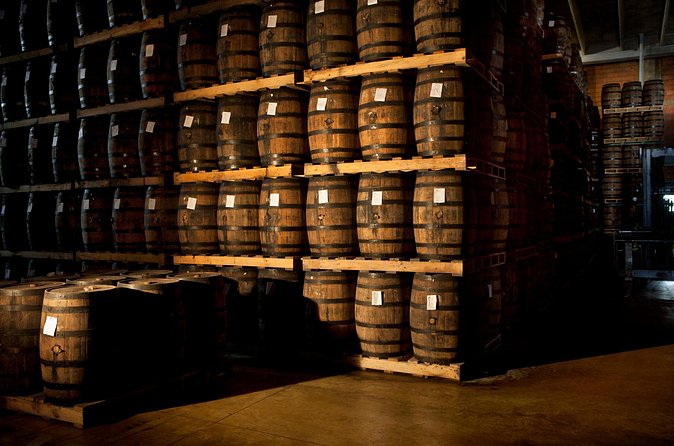
- You visit a working rum operation: The guided explanation covers production, aging and bottling, with a museum also included in the visit.
- Tasting is included: You receive samples of award-winning Ron Barceló rum. A specific variety, such as Imperial Maple Cask, may not be available on every tour.
- Budget $20 per person: Beverages and a professional guide are included, but food and transportation are not.
- Plan for about 90 minutes on site: The visit is described as approximately an hour and a half, though the facility stop is also listed as one hour.
- The group can reach 30 people: Book ahead if you want to secure admission and make planning easier.
From sugar cane to Dominican rum
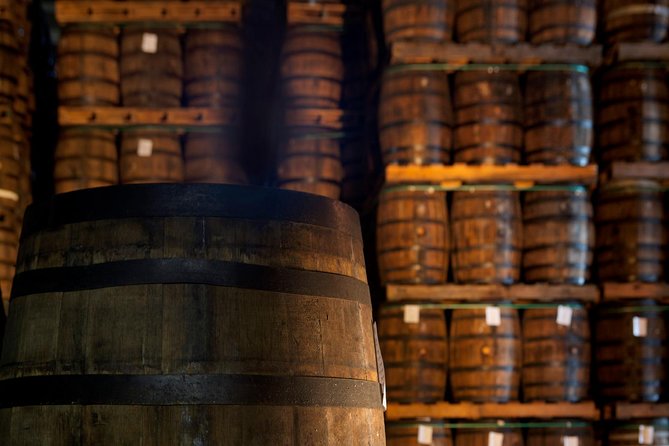
Rum is more than a souvenir bottle in the Dominican Republic. This tour gives you a useful introduction to the agricultural and production story behind it, beginning with sugar cane and continuing through the stages of making, aging and bottling rum.
The emphasis is on explanation rather than a hands-on activity. Your guide leads you through the operation and talks through how the rum is produced. If you enjoy understanding how a familiar drink is made, that context can make the tasting more interesting. You are not simply sampling a local spirit; you are learning how the product takes shape.
The tour also includes a museum component. That adds historical context to the factory visit and helps connect the production process with the broader story of Dominican rum. The exact museum exhibits and the amount of time spent in each area are not specified, so go in expecting a guided overview rather than a set of detailed exhibit stops.
The company’s own operation is the focus, which has a clear benefit: you hear about the process from people who know the facility. The trade-off is that this is a visit to one producer, not a broad comparison of Dominican rum brands or distilleries. If you want to understand Ron Barceló specifically, that focus makes sense. If you are hoping for a survey of the whole industry, this may be a narrower experience than you want.
More trips and days out around Santo Domingo:
- Santo Domingo: Los Tres Ojos, Boca Chica & More
★ 4.8 · 219 reviews - Colonial Zone: Historical Tour with a visit to the Columbus Lighthouse and Tres Ojos Park
★ 4.9 · 157 reviews - Santo Domingo: Colonial Zone Bike Tour
★ 5.0 · 127 reviews
What the factory visit covers
At Centro Histórico Ron Barceló, a professional guide introduces the history of sugar cane and the rum-making process. The explanation includes production, aging and bottling, giving you a start-to-finish framework for understanding what happens at the facility.
The process is the heart of the visit. Pay attention to how the guide links the stages together: harvesting and raw materials establish where the spirit begins, production explains how it is made, and aging shows why the final rum can develop different qualities over time. The information provided does not specify machinery, aging durations or particular production methods, so it is best not to expect a technical lecture on exact formulas or equipment.
The visit includes a museum and a tour through the operation. One guide has been described as leading visitors through the full facility, including the museum and tasting. How much of the factory is open on a particular day is not specified, and access can vary at industrial sites, so treat the guided overview as the reliable part rather than assuming every area is available.
An hour to an hour and a half is enough time for an introduction, but not a full course in rum production. The stated overall duration is approximately 90 minutes, while the stop itself is also described as lasting one hour. I would plan around the longer estimate and avoid scheduling a tight appointment immediately afterward.
The tasting: put the lesson to work
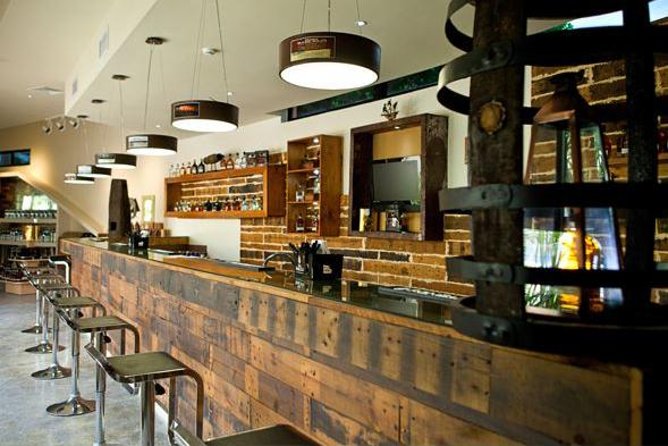
Rum samples are included, and the tour highlights award-winning varieties. That makes the tasting more than a separate perk at the end: you can connect the guide’s explanation of production and aging with what you taste.
A guide named Luis once offered a sample of Imperial Maple Cask, which was described as especially delicious. That is a useful example of the kind of rum you might encounter, but it is not a promise that this particular expression will be served on your visit. The available information does not name a standard tasting lineup or say how many samples you receive.
Go with curiosity rather than a checklist. If you already enjoy rum, you may find the production details sharpen your sense of what you are tasting. If you are new to it, the guide’s explanation should give you a starting point for appreciating the samples. The tour is not described as a cocktail class or a large tasting session, so keep expectations in line with a guided factory visit.
Beverages are included, but food is not. If you need a meal around the visit, make a separate plan rather than counting on the tasting to take its place.
The guides make the difference
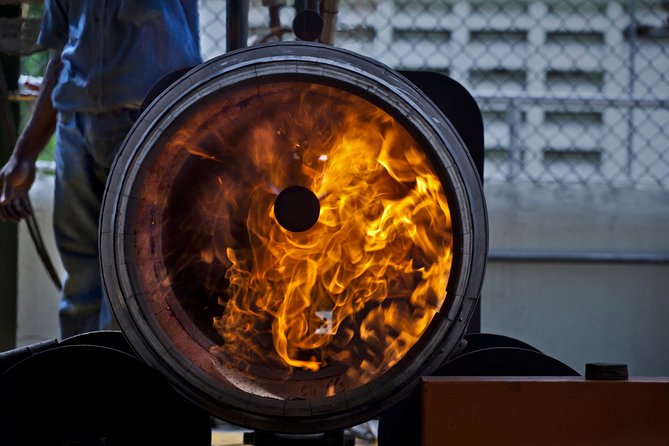
The strongest part of this experience is the human explanation. Guides Sergio and Luis have been singled out for being friendly, clear and engaging, and one visitor described Sergio’s tour as full of information. Another praised Luis for explaining rum-making and the warehouse, and for sharing a special sample.
Those names are worth knowing, but you cannot book a particular guide based on the information available. The more useful takeaway is that the tour depends on a guide who can turn a production process into a story you can follow. If you have questions about aging, the company’s history or a particular bottle, ask while you are with the guide; the format is built around guided commentary.
The tour is also described as available in German on at least one occasion. Language schedules are not provided, so confirm directly with the provider if you need a tour in a particular language. Do not assume a German-speaking guide will be available on your date just because one has led a tour before.
Groups are capped at 30 people. That is a moderate maximum for a factory visit: large enough that you may not have a one-to-one conversation throughout, but limited enough to keep the group more manageable than an open-ended crowd. If personal questions matter to you, arriving ready to ask them can help you make the most of the guide’s time.
Same island, a different kind of day:
- Saona Island, memorable all-inclusive experience, from Santo Domingo.
★ 4.5 · 100 reviews - Punta Cana: Santo Domingo Day Trip with Tickets and Lunch
★ 3.4 · 85 reviews - From Santo Domingo: Saona Island Day Trip w/ Lunch & Drinks
★ 3.9 · 83 reviews - Private Catamaran Cruise to Bahia de las Aguilas
★ 5.0 · 78 reviews
Is $20 a fair price?
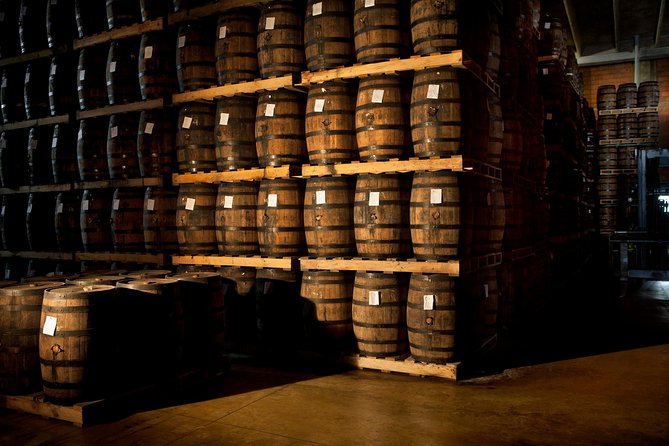
At $20 per person, the price covers a professional guide and beverages, including the rum samples. You also get the museum and factory visit, which makes this a reasonable choice if you want a structured introduction to one of the Dominican Republic’s major rum producers.
The value depends on what you want from the outing. If you are interested in rum production, local sugar-cane history and a guided tasting, the ticket brings several parts of the experience together in one visit. If you mainly want to taste rum, you may find the factory context less important, though the samples are still part of the admission.
A shop purchase is separate from the ticket. Prices at the facility have been described as favorable, but that is not a guarantee of the current price or selection. I would treat shopping as an optional bonus, not the reason to make the trip.
Remember to include transportation in your total cost. The ticket does not cover the journey to or from the factory, and the location is described as a little out of the way. The $20 admission may feel like good value, but the full outing costs more once you account for getting there.
Getting to Centro Histórico Ron Barceló
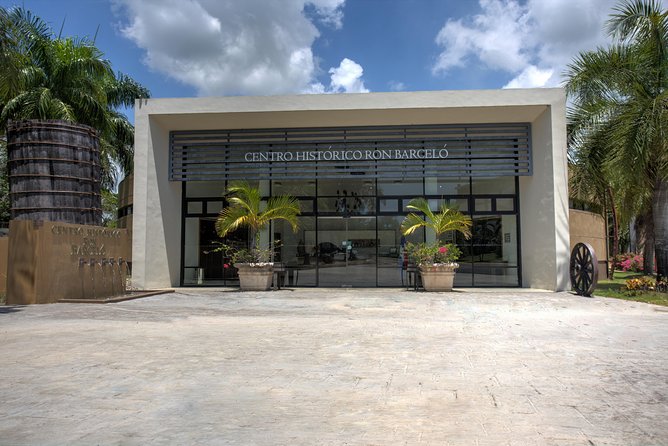
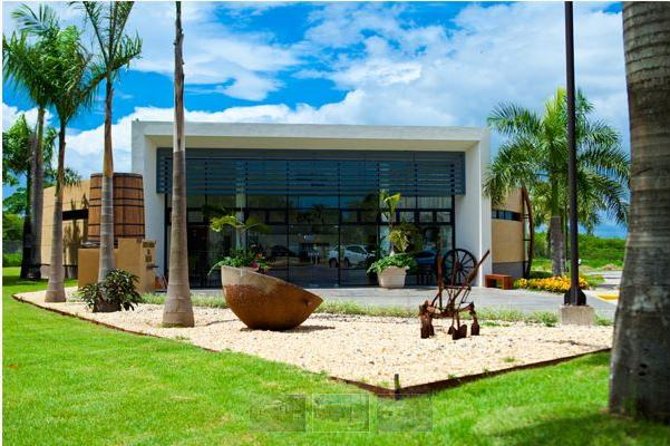
The meeting point is Centro Histórico Ron Barceló, Carretera de Quisqueya km 6, Quisqueya 21000, Dominican Republic. The activity ends back at the same meeting point. Transportation to and from the attraction is not included, so you need to arrange your own way there.
This is the main practical issue to settle before booking. The factory is associated with Santo Domingo, but the address is in Quisqueya, and the location has been described as inconveniently far out for some visitors. Check your route and transport options in advance instead of assuming the factory is an easy walk or a quick stop from your accommodation. The supplied information does not specify a shuttle, pickup service or recommended transport provider.
A mobile ticket is available, and confirmation is issued at booking. Booking ahead can secure your admission and help you plan the visit, particularly if you have a fixed schedule. The tour allows up to 30 people, but no exact departure timetable is provided here, so check your selected date and time when booking.
Who will enjoy this tour most?
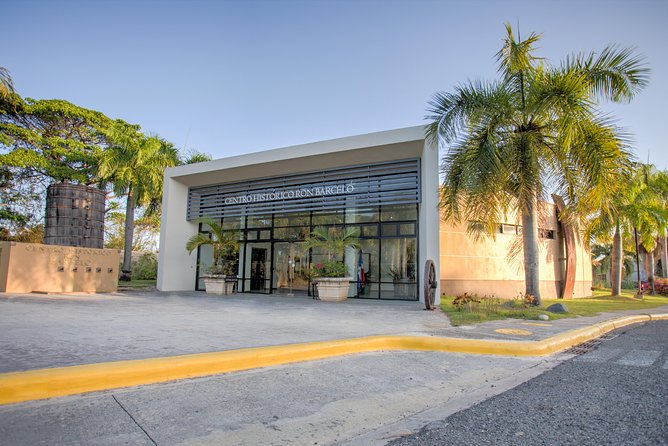
I would recommend this visit to anyone curious about how Dominican rum is made, especially if you like hearing the story behind a local product. It suits rum fans, but you do not need to be an expert to follow the explanation. The focus on sugar cane, production, aging and bottling gives newcomers a clear path through the subject.
It can also work well for people who enjoy comparing production methods across drinks. The factory process has been compared to a distillery visit in Kentucky, which may help you picture the format: a guided look at how a spirit is made, with a tasting to finish. That comparison describes the structure, not an exact match between the industries or the rum itself.
You may want to skip it if your schedule is tight, you are not interested in production, or the transport effort outweighs the appeal of a factory visit. It is also not the right choice if you expect a meal, transport or a guaranteed taste of one particular rum. Those are not part of the stated offer.
Should you book the Ron Barceló factory tour?
Book it if you want a clear, guided introduction to rum production and you can arrange the trip to Quisqueya without turning it into a stressful detour. The included tasting, museum visit and coverage of sugar-cane history give the $20 ticket more substance than a quick sample at a shop.
I would weigh location more heavily than price. If the factory fits your plans, this is a practical way to learn about Dominican rum from the people who work with the brand. If getting there is difficult or you only want a drink, choose another activity. For curious visitors with time to spare, it is a worthwhile stop that gives the next glass of rum a little more meaning.
FAQ
How long does the Ron Barceló factory tour take?
The experience is approximately 1 hour and 30 minutes. The factory stop is also described as one hour, so allow around 90 minutes for the visit.
How much does the tour cost?
The listed price is $20 per person.
What is included in the ticket?
A professional guide and beverages are included. The visit also includes rum samples.
Is transportation to the factory included?
No. Transportation to and from the attraction is not included.
Where does the tour start and finish?
It starts at Centro Histórico Ron Barceló, Carretera de Quisqueya km 6, Quisqueya 21000, Dominican Republic, and ends back at the same meeting point.
How many people can join the tour?
The maximum group size is 30 people.
Can I cancel for a refund?
You can cancel at least 24 hours before the start time for a full refund. Cancellations or changes made less than 24 hours before the start time are not accepted. If poor weather cancels the activity, you will be offered another date or a full refund.
Just added around Santo Domingo
- Santo Domingo: The Battle of Santo Domingo 4D Attraction★ 4.8 · 13 reviews
- Saona Island From Santo Domingo With Catamaran, Food & Drink★ 3.9 · 11 reviews
- Santo Domingo Tour with caves from Punta Cana★ 4.0 · 5 reviews
- Santo Domingo: Tres Ojos, Faro a Colón & Mamajuana Tour★ 5.0 · 3 reviews
- Santo Domingo: Small Group Tour with Cable Car from Bayahibe★ 3.9 · 5 reviews
- Santo Domingo: Three Eyes National Park Guided Tour★ 4.0 · 41 reviews
- Punta Cana: Saona Island VIP | Private Beach, Open Bar & Lunch★ 3.4 · 6 reviews
- Santo Domingo: Private City Tour walking★ 4.1 · 3 reviews
Santo Domingo Tours, compared side by side.
Historical Tour with a visit to the Columbus Lighthouse and Tres Ojos Park
Read our review →
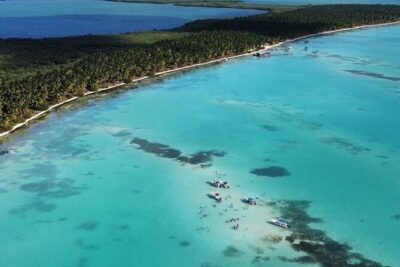
Saona Island, memorable all-inclusive experience, from Santo Domingo.
Read our review →


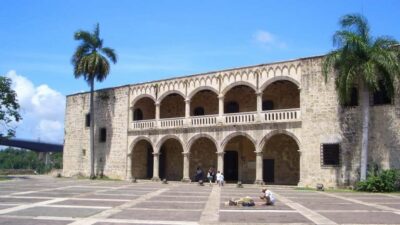
Lists this tour is part of