
Reviewed · SANTO DOMINGO TOURS
History of Slavery Guided Tour
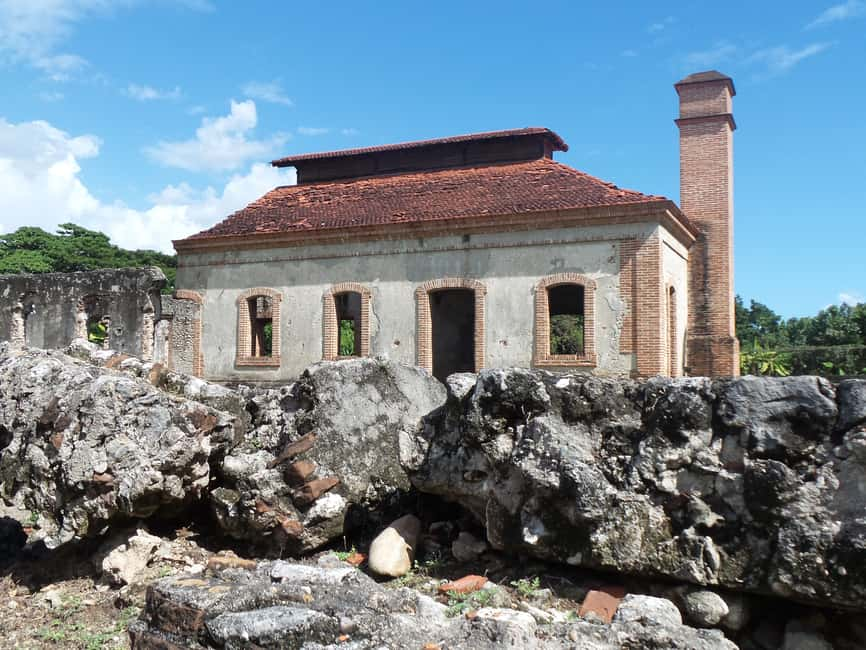
The most revealing stop on this tour is not a grand monument, but the remains of a sugar factory at Boca de Nigua. Here, the machinery and structures help connect Santo Domingo’s colonial past to the forced labor that produced sugar and rum, and to an early slave uprising in the Americas.
I like two things in particular: the route links Old Town’s murals and slave-market history with the physical remains of sugar production, and the small group cap of six gives the guide room to explain rather than simply usher you along. The included lunch adds a local taste to a day centered on difficult history.
The main consideration is the length and physical effort. Expect around six to seven hours, walking on a tour marked as unsuitable for people with mobility impairments, wheelchair users, and people over 65.
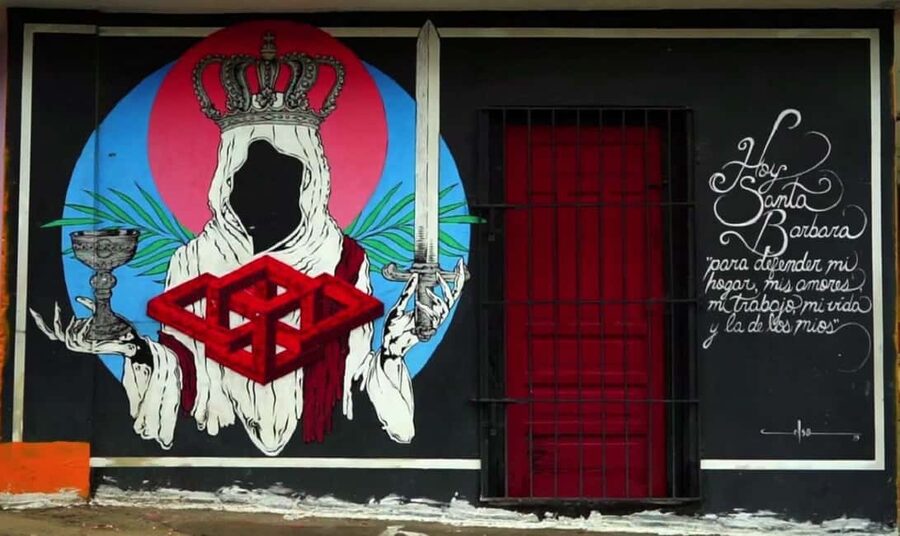
- Start in Zona Colonial: Walk through Old Town’s lanes and learn about the slave market and murals depicting religious syncretism.
- See the tools of rum production: The Rum Museum visit focuses on the equipment enslaved people used in sugar factories.
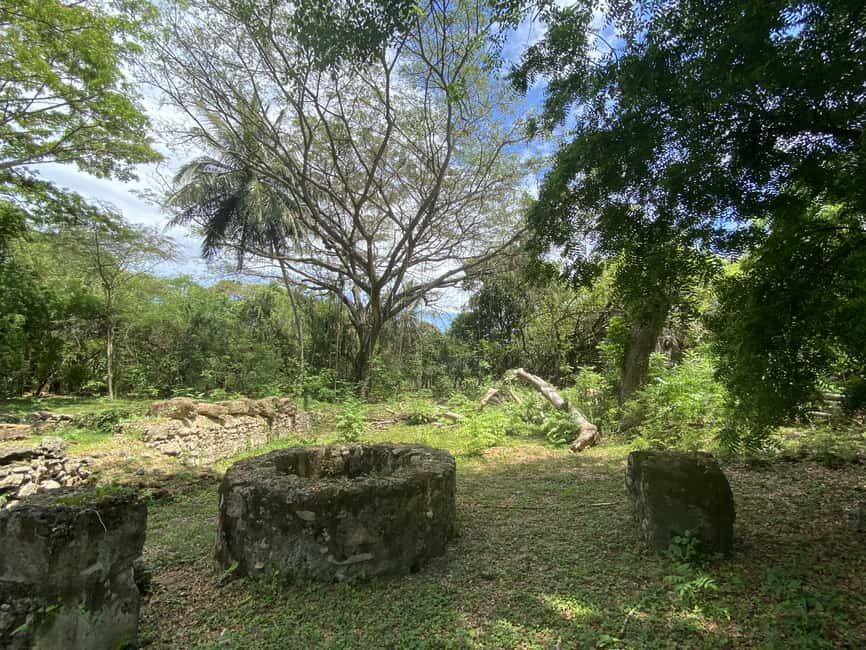
- Visit Boca de Nigua: Explore preserved sugar-factory structures linked to colonial production and an early slave uprising.
- Add San Cristóbal context: The route includes a guided stop, street food, and a visit to the first hydroelectric sugar factory.
- Eat a Dominican specialty: Lunch includes a dough-and-meat dish steamed in banana leaves, plus one drink.
- Travel in a small group: Transport, entries to the Rum Museum and Boca de Nigua ruins, lunch, and a local guide are included.
From Zona Colonial to the slave market
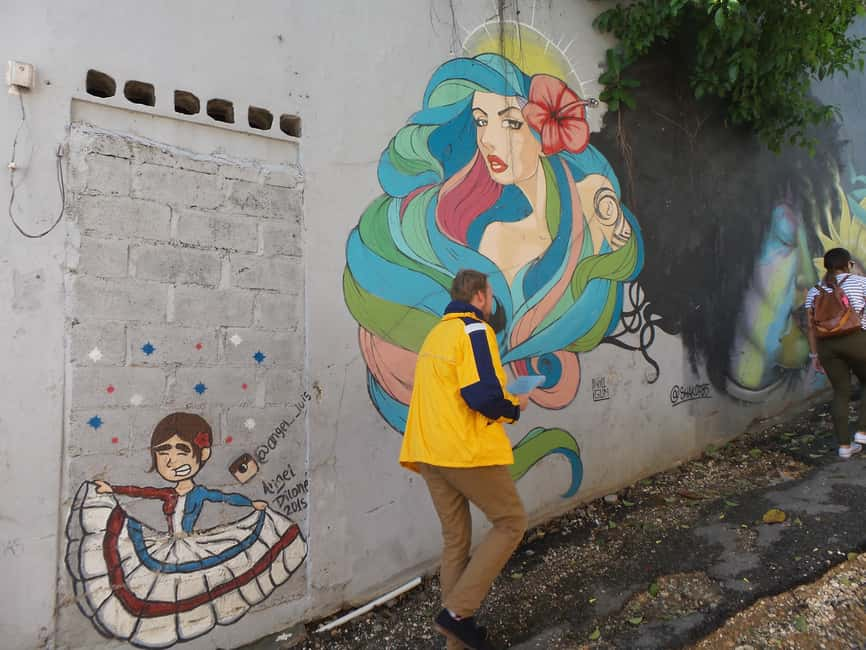
The day begins with pickup in Zona Colonial, Santo Domingo’s Old Town. You’ll walk through its lanes to the site of the slave market and see wall paintings that refer to slavery’s historical and cultural effects, including religious syncretism.
That opening matters. Rather than treating slavery as a distant chapter with no visible place in the city, the tour uses the streets and murals to show how its history sits within the present-day urban fabric. The paintings offer a starting point for understanding how African, European, and local religious traditions met and changed under colonial rule.
The walking portion is scheduled for about an hour. Wear comfortable, closed-toe shoes, since the day includes walking at more than one stop and high heels are not allowed. Bring sun protection, too: sunglasses, a hat, and sunscreen are specifically recommended.
The Rum Museum and the labor behind the drink
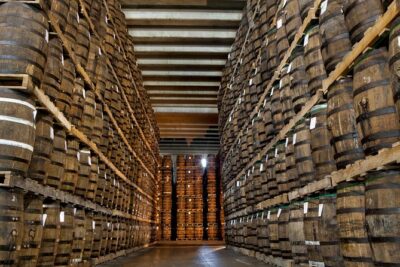
The Rum Museum shifts the focus from the city’s streets to the work that powered colonial sugar production. You’ll see tools used by enslaved people in sugar factories and learn how sugar cane processing fed into rum making.
That connection is the useful part. Rum can be presented as a familiar local product, but here it becomes a way to understand the labor system behind its production. The museum stop gives the later visit to the factory ruins more context: you’re not seeing old structures in isolation, but places tied to a chain of work from cane processing to rum.
The tour information does not specify how long you spend inside the Rum Museum, beyond including the visit and its entry fee. If you want a detailed technical account of rum distilling, the emphasis described here is instead on the tools and working conditions of the colonial sugar industry.
More history tours around Santo Domingo:
- Colonial Zone: Historical Tour with a visit to the Columbus Lighthouse and Tres Ojos Park
★ 4.9 · 157 reviews - Santo Domingo Cultural Tour
★ 4.0 · 61 reviews - From Santo Domingo: Full day Historical Tour with Lunch
★ 4.4 · 46 reviews
Boca de Nigua: sugar works and resistance
After leaving the city, you ride west toward San Cristóbal. The bus journey from the pickup area to Ingenio Boca de Nigua is listed at about 45 minutes, followed by a 30-minute visit with time for a guided walk, sightseeing, and photos.
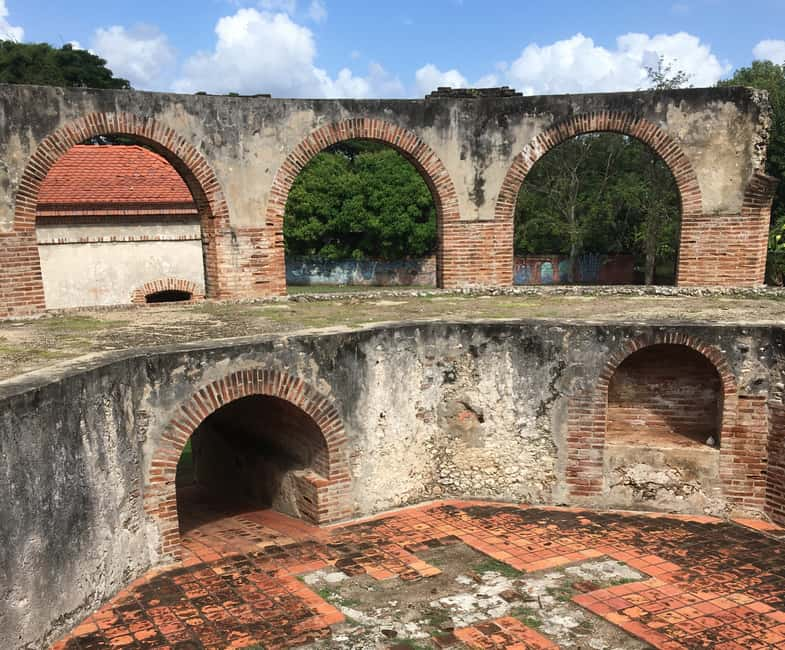
The surviving structures at Boca de Nigua help make the scale of sugar production easier to picture. The work depended on oxen and, above all, enslaved people. Seeing the remains gives the history a physical anchor, while the guide can connect the site to the labor and conditions that sustained the industry.
The location also carries particular historical weight because an early slave uprising in the Americas took place here. That makes the stop more than an architectural detour: it links the machinery of forced labor with resistance to it. The tour presents this as the first uprising of enslaved people in the Americas, so you can ask your guide how the event fits into the broader history of slavery in the Caribbean.
The ruins are a highlight for anyone interested in the relationship between colonial wealth and human cost. They may be less compelling if you prefer fully intact buildings or highly polished museum displays. This is a visit to historic structures and open surroundings, not a reconstructed factory floor.
San Cristóbal, street food, and a hydroelectric factory
The route continues into San Cristóbal Province, with a 15-minute bus transfer listed between Boca de Nigua and the next stop. The guided visit there lasts about 40 minutes and includes sightseeing and street food.
You’ll also visit the first hydroelectric sugar factory. That stop broadens the story beyond the earlier sugar works, showing another stage in the region’s production history. The information provided does not specify the factory’s exact exhibits or how much of the structure is open, so treat it as a guided historical stop rather than expecting a particular display or demonstration.
Lunch is one of the day’s more personal details. You’ll have a Dominican specialty made from dough stuffed with meat and steamed in banana leaves, served at a typical restaurant, with one drink included. The exact dish name and menu choices are not specified, but the preparation offers a change of pace from the factory history and a chance to try a local food tradition.
I like that food is built into the schedule rather than left as a last-minute search during a long day. Still, if you have dietary restrictions, check with the operator before booking; no details are given about substitutions or alternative meals.
Back through the lanes of Ciudad Colonial
The final listed stop is Ciudad Colonial, with a one-hour guided walk and time for sightseeing and photos. It brings the day back to the city after the visits outside Santo Domingo, giving you another look at the streets and historical setting introduced at the start.
The itinerary does not spell out exactly which locations you revisit, so don’t assume this is a second pass through every mural or a separate museum visit. Its value is in returning to the Old Town with more context from the rum museum and sugar sites. The wall paintings and market history may feel different once you’ve seen where the sugar and rum economy took place.
The tour returns to Zona Colonial. The day is described as starting at 9 a.m. and ending between 3 and 4 p.m., while the stated duration is 390 minutes, or six and a half hours. Allow the full six-to-seven-hour window when planning the rest of your day.
More guided departures around Santo Domingo:
- Santo Domingo: City Highlights Guided Bike Tour
★ 4.9 · 72 reviews - Santo Domingo: Three Eyes National Park Guided Tour
★ 4.0 · 41 reviews - Santo Domingo: Guided City Tour with Lunch
★ 4.9 · 3 reviews - Half-Day Buggy Guided Adventure for Amber Cove and Taino Bay
★ 5.0 · 219 reviews
What the small group and price mean
At $190 per person, this is a substantial day tour rather than a quick city walk. The price includes transport, entry to the Rum Museum and the Boca de Nigua ruins, lunch with one drink, and a local guide. You’re paying for a guided route that connects several sites across the city and San Cristóbal, not just for access to a single museum.
The small-group limit of six is a real advantage on a history-focused outing. It gives you a better chance to ask questions about the murals, the sugar works, and the uprising without competing with a large bus group. The guide’s role is especially important here because the main value comes from interpreting what you see, not from elaborate visitor facilities at every stop.
Past praise has focused on the guides’ clear explanations and professionalism. One outing was led by Jose, with Daniel as driver, and the account singled them out as excellent. Another described the guide as attentive and clear in explaining the subject. Names and staff can vary by date, of course, but those details point to what matters most on this tour: a guide who can handle both the historical subject and your questions.
You can choose among English, German, and Spanish, but confirm that your preferred language is available for your date. Pickup is included for accommodations in Zona Colonial, with exceptions possible. Pickup elsewhere in Santo Domingo can be arranged at extra cost.
Is this a good fit for your day?
This tour suits you if you want to understand slavery through specific places and working sites, not only through a general overview of Dominican history. It also fits visitors who are comfortable spending most of a day on a guided outing, with bus transfers, outdoor walking, and a fixed lunch stop.
It is less suitable if you need step-free access or have difficulty walking. The activity is explicitly marked as unsuitable for people with mobility impairments, wheelchair users, and people over 65. You’ll want closed shoes, sun protection, and a camera, and should be prepared for a full day rather than a quick excursion.
For the price, the strongest case is the combination of a small group, transport, museum and ruin entries, a local guide, and lunch. If your priority is only to see the main sights of Zona Colonial, you can spend less time on a city walk. If you want to connect Old Town history to sugar production, forced labor, and resistance in San Cristóbal, this route offers a more focused and meaningful day.
I’d book it if you’re ready for a serious subject, value a guide’s explanations, and can manage the walking. Before you commit, check the start time, your pickup location, language availability, and any dietary needs with the provider. The tour allows free cancellation up to 24 hours before departure and offers a reserve-now, pay-later option, which can help if your plans are still taking shape.
FAQ
How long does the tour take?
The tour lasts about six to seven hours. The stated duration is 390 minutes, and the day is scheduled to begin at 9 a.m. and end between 3 and 4 p.m.
Where does pickup take place?
Pickup is available at accommodations in Zona Colonial, with some exceptions. Pickup elsewhere in Santo Domingo may be available for an extra charge.
Which languages are offered?
The tour guide languages are English, German, and Spanish. Check availability for your chosen date and language.
What is included in the price?
Transport, entry to the Rum Museum and Boca de Nigua ruins, lunch with one drink, and a local guide are included.
What food is served for lunch?
Lunch is a Dominican specialty made from dough stuffed with meat and steamed in banana leaves. One drink is included.
What should I bring?
Bring comfortable closed-toe shoes, sunglasses, a sun hat, sunscreen, and a camera. High heels are not allowed.
Is the tour suitable for people with mobility impairments?
No. It is listed as unsuitable for people with mobility impairments, wheelchair users, and people over 65.
Just added around Santo Domingo
- Santo Domingo: The Battle of Santo Domingo 4D Attraction★ 4.8 · 13 reviews
- Saona Island From Santo Domingo With Catamaran, Food & Drink★ 3.9 · 11 reviews
- Santo Domingo Tour with caves from Punta Cana★ 4.0 · 5 reviews
- Santo Domingo: Tres Ojos, Faro a Colón & Mamajuana Tour★ 5.0 · 3 reviews
- Santo Domingo: Small Group Tour with Cable Car from Bayahibe★ 3.9 · 5 reviews
- Santo Domingo: Three Eyes National Park Guided Tour★ 4.0 · 41 reviews
- Punta Cana: Saona Island VIP | Private Beach, Open Bar & Lunch★ 3.4 · 6 reviews
- Santo Domingo: Private City Tour walking★ 4.1 · 3 reviews
Santo Domingo Tours, compared side by side.
Historical Tour with a visit to the Columbus Lighthouse and Tres Ojos Park
Read our review →
Saona Island, memorable all-inclusive experience, from Santo Domingo.
Read our review →

Lists this tour is part of